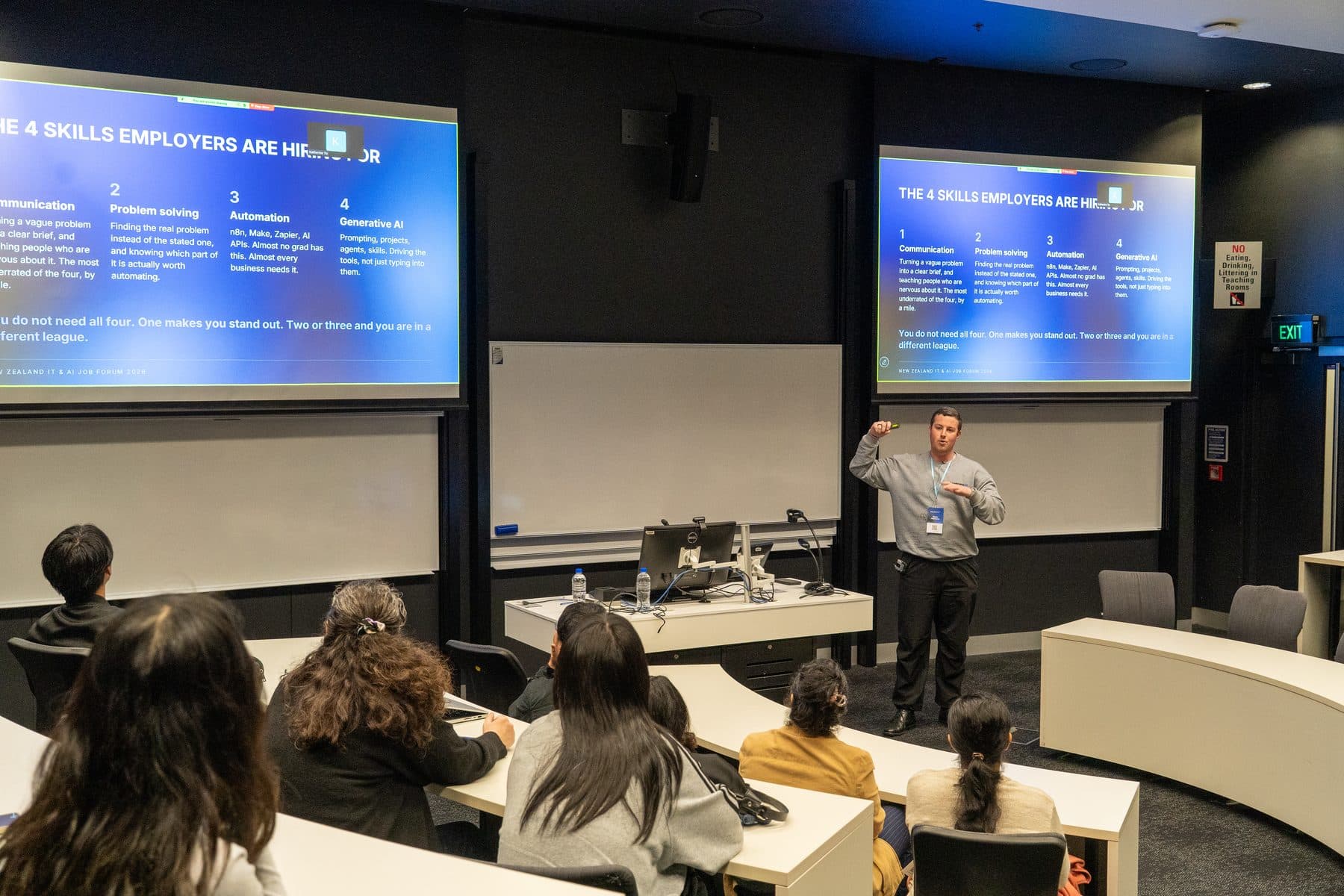
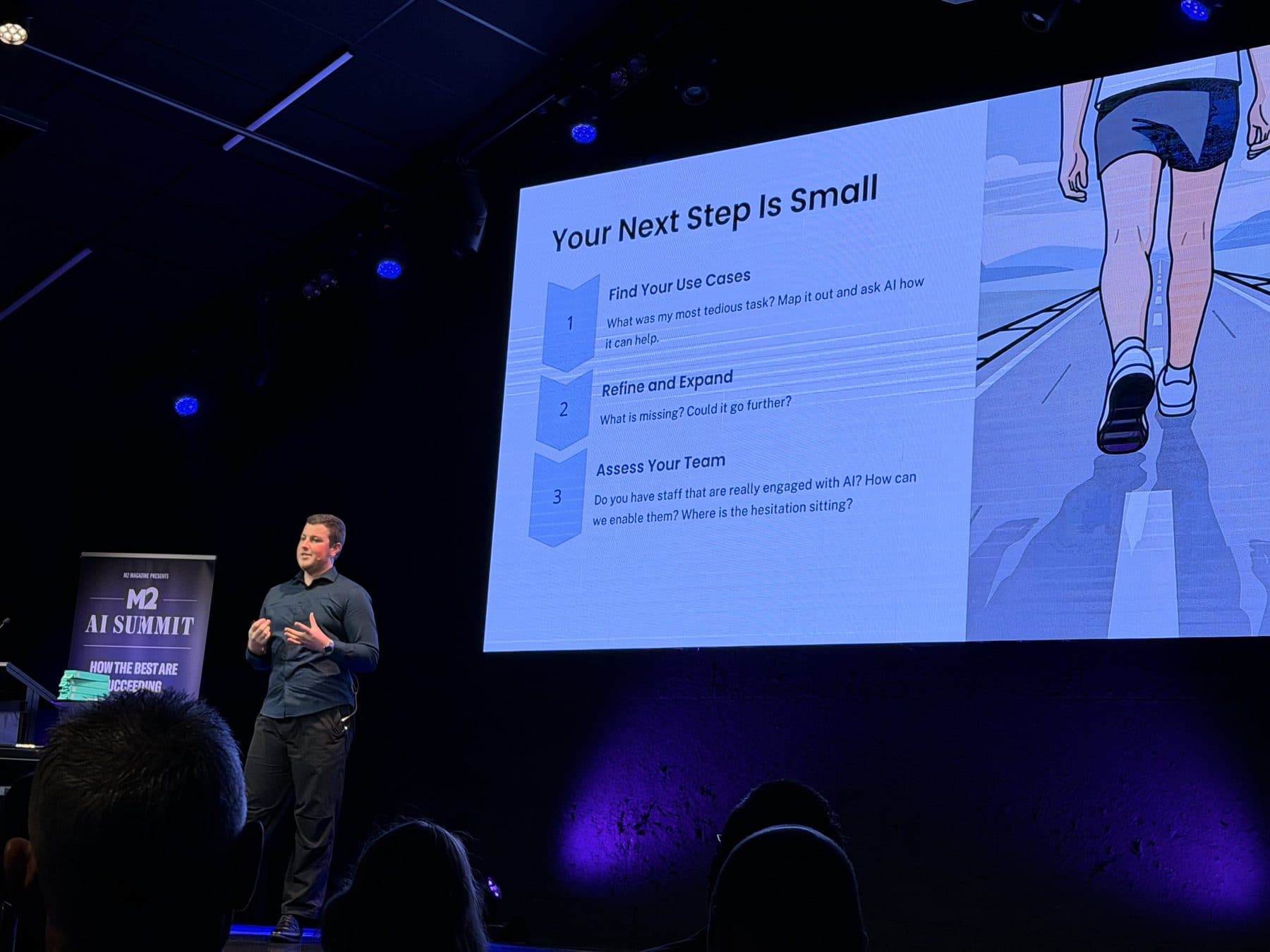
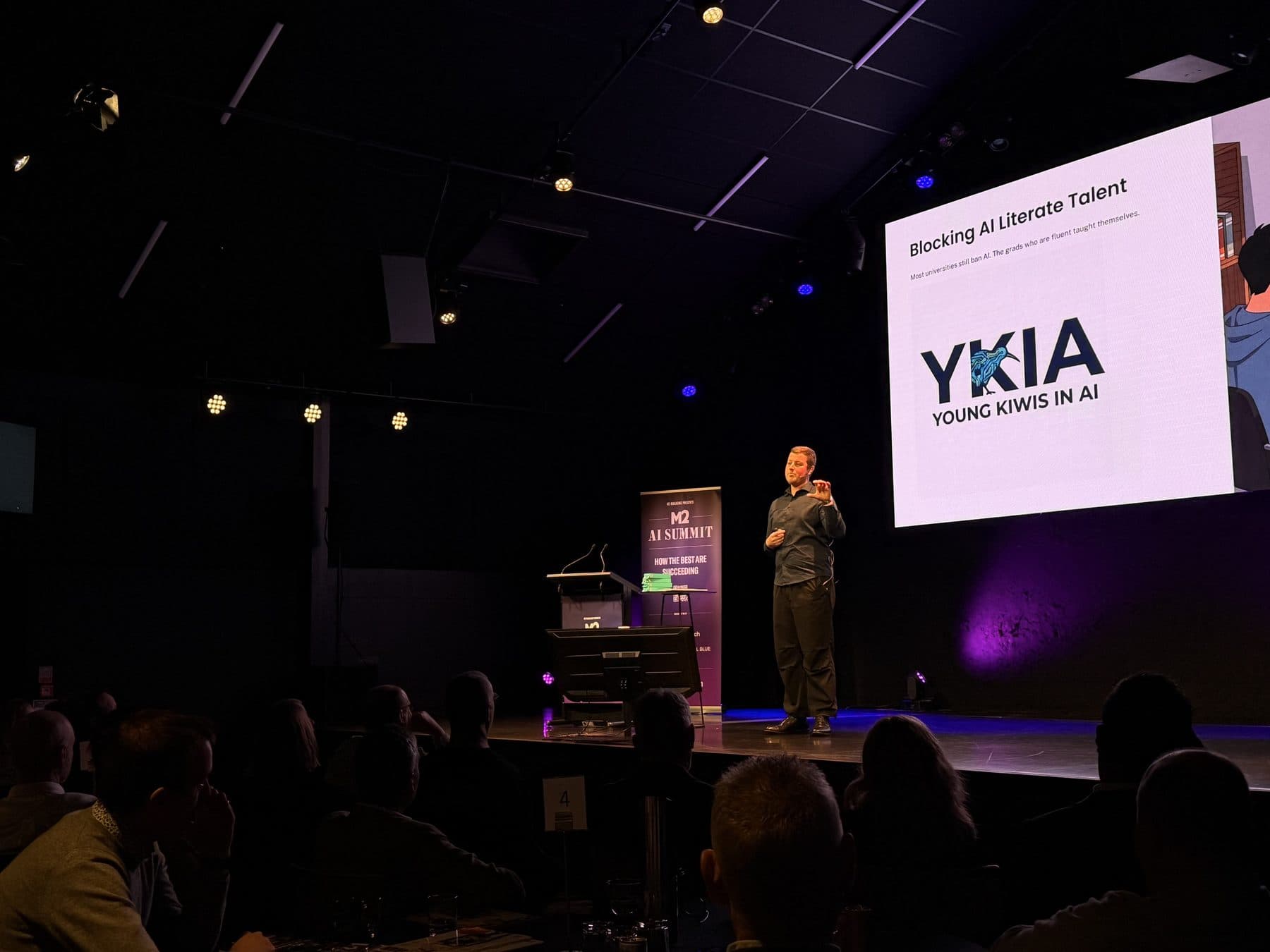
Why You Should Go to an AI Conference Early in Your Career
Drafted with AI assistance.
Key takeaways
- Go for conversations, not a job offer on the day.
- Prepare one sentence, one project, and one question per session.
- Five-minute rounds fit your sentence and a single question.
- Follow up that night in three lines, then stop.
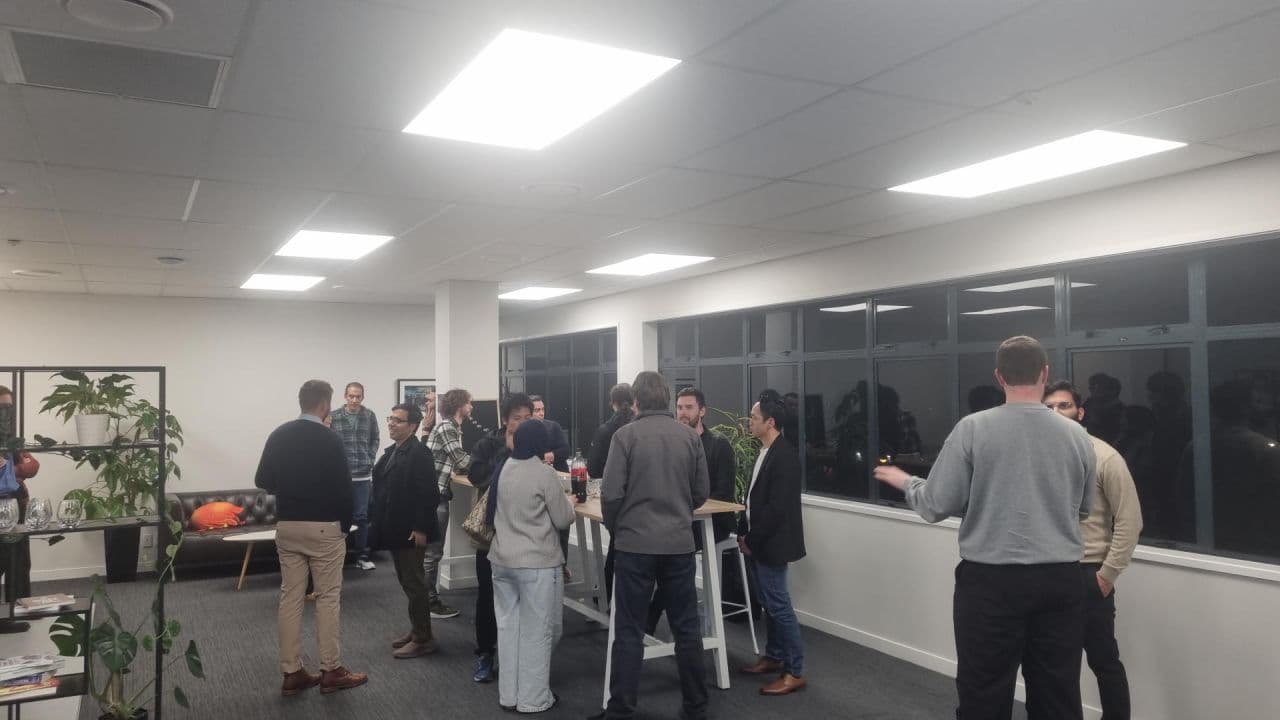
You can watch a talk later. You cannot recreate the person next to you at lunch. Early in a career, that conversation is the reason to go, and it is the part people skip because they feel underqualified. You are qualified to listen, ask one question, and follow up.
Why early is a good time
Early on, you still have the time, and a basic question is expected. You can say "I have built one small thing" and ask what to build next. You do not have to sound finished.
Do not go expecting a job by the afternoon. Go for a few real conversations and a reason to write to someone the next morning.
Before you leave the house
Read the programme and choose. Sitting in every session and talking to nobody is a wasted day. Pick the talks you care about, and pick the breaks with the same care. The breaks are the point.
Write one sentence you can say without notes. Who you are, what you are working on, what you want. "Second-year in Wellington, I automated our club's membership emails, and I want to meet people who hire graduates." That is enough. "Passionate about the AI space" is not.
Make LinkedIn match the sentence. Photo, city, the project, a link. People will look at their phone while you are still talking. An empty profile ends the conversation in the corridor.
Write one question for each session you care about. Specific, not "any advice?".
If the CV is thin, do not wait for it to look impressive. One project you can describe is enough. The practical version is How to break into AI in New Zealand without a perfect CV.
On the day
Arrive for the start. The first half hour is when people are not yet in a group. Later you are interrupting. Say hello to the person beside you before the first session. "What brought you here?" is a complete opener.
Finish one conversation rather than starting five. Speakers get a queue. The person in your row is often the better one, and they are free. Talk to them.
Say the one sentence, then stop and let them answer. Write down their name and what you said you would do. You will not remember it at 6pm.
What to ask
Wait until you have heard them, or until you have read enough to ask something true. Do not pretend you sat in a session you skipped.
Skip "any advice for someone starting out?". It invites a speech, and it tells them nothing about you.
Narrow questions work better. What would you want to see from a graduate with one project? Why did you choose this approach over the obvious one? If I have ten hours a week, what should I build for the kind of work your team does?
Ask one question. If a queue is behind you, do not hold the person. The longer version can go in the follow-up. If you missed a term, ask what it means. Pretending you caught it wastes the minute.
How our conference is set up
Ours is arranged so you do not have to invent the structure.
The YKIA National Conference 2027 is on Friday 12 February 2027 at Novotel Auckland Airport, 8:30am to 5pm. Registration opens at 8:30am, and you collect a zone sticker. The sticker is an excuse to talk to people who want the same thing.
You pick the zone when you book: building something, getting hired, using AI at work, or research. At 2pm there is an hour of speed networking, eight five-minute rounds, with a question on the screen each round. Have your ticket open so someone can scan your LinkedIn. Five minutes fits the sentence and one question. It does not fit a biography.
Around that are talks, panels, an opening and closing keynote, and a young builders showcase of short demos. Lunch is included. Drinks from 5pm are optional and at your own cost.
Names and times are on the programme. The venue is beside the international terminal, so a day trip from another city is realistic.
Following up
Send it that evening or the next morning. Next week you are one of fifty faces.
Three lines. Where you met, what you talked about, and the next step you are taking. "We spoke in the speed networking round about graduate roles. I am finishing the workflow I mentioned, and I can send it on Friday if that is useful."
Do not attach a CV unless they asked. Do not write an essay. One message, then stop. Silence is an answer.
If you promised a link, send it on the day you named. That alone puts you ahead of most people who said they would.
Connect on LinkedIn with a note that says where you met. A blank request is easy to ignore.
If you are nervous
That is normal. Plenty of people in the room feel new, including some who look settled. You do not need a perfect CV or a clever question for every session. You need one sentence, one project, and a conversation before the first talk.
If a full day is too much, come to a meetup first. They are free, listed on the events page, and they are the same skill in a smaller room. Join the community and you will hear about the next one.
When you want the full day, early-bird runs until 15 December: Student $79, Young Professional $149, Industry $249. Read the programme, decide who you want to meet, and get your ticket.
Get new write-ups, jobs and events once a month in the YKIA newsletter.